
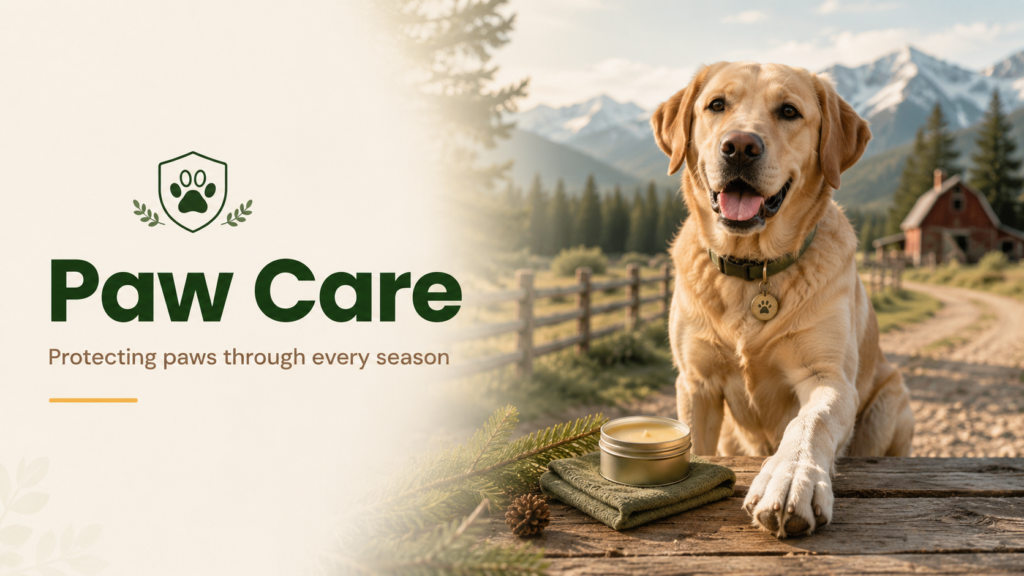
Summer Paw Care for Dogs: Hot Pavement, Dry Pads, and How to Protect Them
Summer paw care for dogs deserves just as much attention as winter paw care. Salt, ice, and cracked pads are easy to picture, but summer brings its own risks, and hot pavement can injure a dog’s paws in under a minute. Hot pavement, dry sand, and chlorinated pool water can all take a toll on paw pads between June and September. This guide covers the summer hazards most owners miss, how to spot damage early, and how to build paw care into a habit that lasts all year rather than only when it snows.
Summer Hazards for Dog Paws That Most Owners Miss
Paw pads are tough, but they can still suffer from heat, friction, and drying surfaces. Most summer paw injuries come from three sources: hot ground, abrasive terrain such as sand, and chemical exposure from pools and treated water.
Asphalt Temperature: When Pavement Becomes a Hotplate
Air temperature and ground temperature are not the same thing, and the difference can surprise many owners. On a sunny day with an air temperature of 86°F (30°C), asphalt can reach roughly 135°F (57°C), hot enough to burn a pet’s paws in 60 seconds. Materials such as asphalt, concrete, and sand can reach temperatures 40 to 60 degrees higher than the surrounding air.
According to the American Kennel Club’s chief veterinary officer, pavement can become extremely hot and cause discomfort, blisters, and paw pad burns. When the air reaches 85°F or higher and the ground has not had a chance to cool, the surface may become too hot for a safe walk. Burns can develop faster than many owners expect. Veterinary sources cite research showing that asphalt at 125°F can cause skin destruction within 60 seconds.
Sidewalks and roads are not the only offenders. Sand, brick, and artificial turf can also heat up quickly, and any of these surfaces can become uncomfortable or painful for a dog’s paws.
Sand, Salt Water, and Poolside Chemicals
Beach and pool days create their own paw risks, separate from heat. Sand can pull moisture from the skin, and dog owners often notice dryness and cracking around the paws after extended exposure. Ocean water can have a similar effect. Unlike pool water, saltwater contains no chlorine, but its high salt concentration can draw moisture from the skin and coat and cause dryness or irritation with frequent exposure.
Chlorinated pools create a different concern. Extended exposure to chlorine can dry the skin, and dogs that lick their paws after swimming may irritate the pads further. Veterinary staff also note that salt, sand, and chlorinated water can irritate paw pads, which makes a post-swim rinse and paw check just as important as pre-walk precautions.
Recognising Summer Paw Damage
Dogs often hide pain, so owners may notice physical paw damage before they see obvious changes in behaviour. Checking the paws after summer walks or swims provides one of the simplest ways to catch problems early.
Burns, Blisters, and Dryness: What to Watch For
Veterinary sources list several signs that heat or friction has affected a dog’s paws. Watch for limping or sudden reluctance to walk, licking or chewing at the paws, darker or redder discoloration, visible blisters, intense redness, and vocal signs of distress such as crying or whimpering.
Dry, cracked pads look different from burns. Cracking usually appears as rough, flaky, or split skin rather than blistering. Repeated exposure to sand, saltwater, or chlorine can gradually produce these changes rather than one extremely hot walk. If your dog shows signs of a burn, cool the paw with clean water and contact a veterinarian. Burns can appear minor at first while still affecting deeper tissue.
The Seven-Second Rule and Other Summer Paw Tests
The simplest way to judge pavement temperature involves a basic hand test. Place the back of your hand on the pavement and hold it there. If the heat prevents you from keeping your hand there for a full seven seconds, the surface is also too hot for your dog’s paws. Some veterinary sources use a ten-second version of the same test, but the principle remains the same: if the surface feels uncomfortably hot to your hand, it can also hurt your dog’s pads.
A few practical points can make the test more reliable:
- Test the actual surface your dog will walk on, rather than the shaded grass beside it.
- Test again later in the day. Pavement that feels comfortable at 9 a.m. can become dangerously hot by 1 p.m.
- Remember that dogs can build some tolerance over time, but tolerance does not equal safety. Regular outdoor exposure does not prevent paws from blistering or developing ulcers on sufficiently hot surfaces.
- If your own bare feet would struggle to cross a surface, treat that surface as unsafe for your dog too.
The easiest solution involves timing. Early morning and evening walks keep you away from the hottest pavement and can prevent the problem before it starts.
A Summer Paw Protection Routine
A short routine before and after outdoor time covers most summer paw risks without turning paw care into a chore.
Before a walk:
- Run the seven-second test on the actual route, not just the driveway.
- Choose grass or shaded paths instead of direct sunlight on asphalt whenever possible.
- Schedule walks for early morning or evening during heat waves.
After a walk, swim, or beach trip:
- Rinse the paws with clean water to remove sand, salt, or chlorine residue.
- Check the pads and the skin between the toes for redness, cracking, or debris.
- Dry the paws thoroughly, since trapped moisture between the toes can cause irritation.
Pre-Walk Balm Application for Hot Surfaces
It is worth being precise about what paw balm can and cannot do. No balm can prevent a burn from pavement that has reached a genuinely dangerous temperature. The seven-second test and smarter walk timing provide the real protection against burns. Balm can help with another summer problem: dryness and cracking caused by repeated exposure to sun, sand, saltwater, and chlorine.
Tail Wag Vitals makes Rancher’s Shield, a single-ingredient grass-fed beef tallow balm that the brand currently positions for winter conditions such as salt, ice, and extreme cold. Its moisturizing purpose, supporting the skin barrier on paw pads, may also apply to summer dryness from sand, saltwater, and chlorine exposure, although the product does not currently market it for that use.
Applying a thin layer to clean, dry pads after a rinse can help support pads that face repeated drying exposure throughout the season.
Making Paw Care a Year-Round Habit
Winter paw care often becomes part of a routine because the risks look obvious: visible salt, visible ice, and a dog limping on a cold sidewalk. Summer risks can be harder to notice. A hot sidewalk does not look dangerous in the same way an icy one does, and dry, sandy pads do not announce themselves like a cracked winter pad.
Treating paw checks as a year-round habit can help you catch problems earlier in both directions. A simple routine works well: check the paws after walks in extreme heat or cold, rinse them after sand or water exposure, and moisturize pads that show early signs of dryness before cracks develop. The season changes the specific risk, but the habit of paying attention can stay the same.
If you have questions about paw care for your dog’s specific situation, Tail Wag Vitals is happy to help. You can reach the team through the Contact Us page, and you can find more product information on Tail Wag Vitals.
Frequently Asked Questions
Can hot pavement burn my dog’s paws?
Yes. Asphalt can reach roughly 135°F when the air temperature is only 86°F, and surfaces at that temperature can burn a pet’s paws in as little as 60 seconds. Direct sunlight during peak afternoon heat creates the greatest risk.
How hot is too hot for dog paws?
A common guideline from veterinary sources says that pavement may become unsafe when the air temperature reaches 85°F or higher and the ground has not had a chance to cool. The most practical test involves the surface itself: if you cannot hold the back of your hand on the pavement for seven seconds, the pavement is too hot for your dog’s paws.
Do dogs need paw balm in summer?
Paw balm cannot prevent burns from pavement that has reached a genuinely dangerous temperature. It can, however, help with dryness and cracking caused by repeated exposure to sand, saltwater, and chlorinated pool water, which can pull moisture from paw pads during the summer.
How do I protect my dog’s paws from hot surfaces?
Run the seven-second hand test before a walk, choose grass or shaded paths instead of direct sunlight on asphalt, and schedule walks for early morning or evening during hot periods. After swimming or spending time at the beach, rinse the paws to remove sand, salt, or chlorine residue.
What are signs of paw burns in dogs?
Watch for limping or reluctance to walk, licking or chewing at the paws, dark or reddened pads, visible blisters, and vocal signs of pain. If your dog develops any of these signs after walking on a hot surface, cool the paws with clean water and contact a veterinarian. Burns can cause more serious tissue damage than they initially appear to show.