
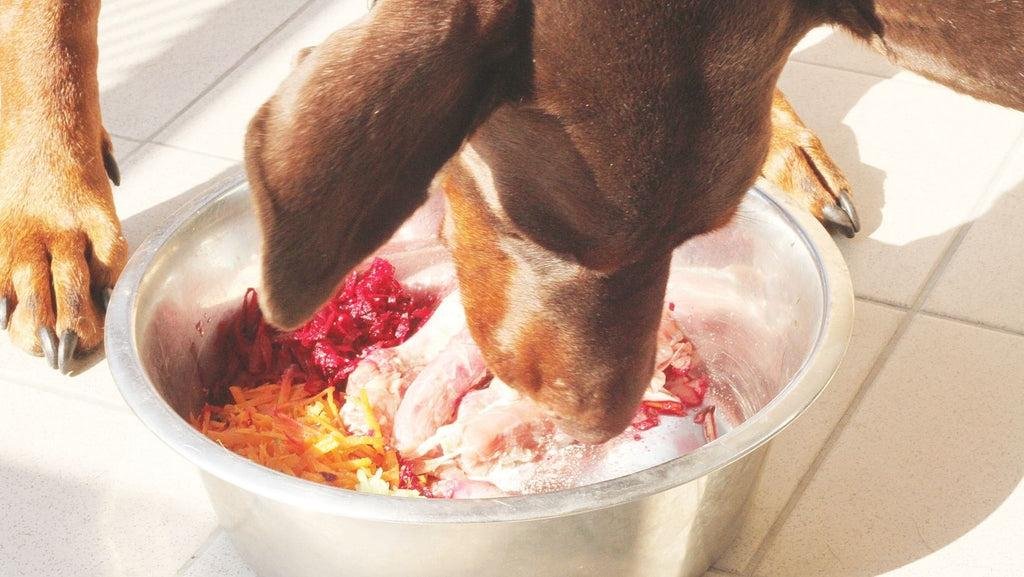
Raw Feeding for Dogs in Canada: A Beginner’s Complete Guide
Raw feeding is growing across Canada. This guide covers the principles, practical steps, and how freeze-dried treats fit into a raw-fed lifestyle.
What Is Raw Feeding for Dogs?
Raw feeding is exactly what it sounds like: feeding your dog a diet of uncooked, unprocessed foods. Instead of heavily heated kibble or canned food, a raw diet aims to mimic what a canine ancestor would eat in the wild.
The goal is to provide nutrition in its most natural, unaltered state, free from the artificial preservatives, grain fillers, and synthetic vitamins found in mass-market pet food.
BARF vs Prey Model Raw: What’s the Difference?
If you research raw feeding in Canada, you will quickly run into two main methods:
- The BARF Diet (Biologically Appropriate Raw Food): This model includes raw meat, raw bones, and organs, but also incorporates small amounts of fruits, vegetables, and supplements to mimic what a dog might scavenge.
- The Prey Model Raw (PMR): This method is strictly meat, bone, and organ. It aims to replicate a whole prey animal (like a rabbit). It excludes all plant matter, based on the principle that dogs are carnivores and don’t need vegetation.
The Core Principles of Raw Feeding
Regardless of which method you choose, successful raw feeding relies on a few foundational rules:
- No Heat Processing: Food is never cooked, preserving natural enzymes and nutrients.
- No Fillers: Diets avoid cheap grains, corn, wheat, soy, or artificial binders.
- Whole-Body Nutrition: Meals are balanced to include muscle meat, edible bone, and secreting organs to provide a complete amino acid and mineral profile.
The Benefits of Raw Feeding for Dogs
Pet parents who switch to raw often report significant changes in their dogs. While every dog is different, the most commonly observed benefits include:
Improved Digestion
Dogs have short, highly acidic digestive tracts built for breaking down raw meat. Because raw food contains no complex carbohydrates or starchy fillers, it is highly digestible. Owners frequently report smaller, firmer stools and a reduction in chronic gas and bloating.
Better Coat and Skin
A raw diet is naturally rich in animal fats, omega fatty acids, and zinc. Unlike grain-heavy diets that can trigger systemic inflammation and itchy skin, raw feeding provides the direct building blocks your dog needs to maintain a healthy, glossy coat from the inside out.
Increased Energy and Vitality
Without the blood sugar spikes and crashes caused by carbohydrate-heavy kibble, dogs on raw diets often display more sustained, even energy throughout the day.
Natural Dental Health Benefits
Chewing raw, meaty bones naturally scrapes plaque and tartar off a dog’s teeth. (Note: This applies to raw bones only. Cooked bones become brittle and are extremely dangerous for dogs.)
How to Start Raw Feeding Your Dog
Switching your dog to raw food is a significant dietary change. We strongly recommend consulting with a veterinarian or a certified veterinary nutritionist before making the transition, especially for puppies, senior dogs, or dogs with pre-existing health conditions.
Transitioning from Kibble to Raw
Never switch your dog from kibble to raw overnight. A sudden change will likely cause diarrhea and stomach upset.
- Days 1-3: Feed 75% kibble, 25% raw.
- Days 4-6: Feed 50% kibble, 50% raw.
- Days 7-9: Feed 25% kibble, 75% raw.
- Day 10+: 100% raw.
Calculating the Right Portions
A common starting point for adult dogs is to feed them 2% to 3% of their ideal body weight per day. However, this is just a baseline. Highly active working dogs may need more, while senior or overweight dogs may need less. A vet can help you calculate the exact caloric and macronutrient requirements for your specific dog.
Sourcing Raw Ingredients in Canada
Sourcing safe, high-quality meat is critical. Look for human-grade meats from local Canadian farms. We source our ingredients directly from Hutterite farming communities in Alberta because we trust their strict, generational standards for humane animal husbandry and land management.
The Role of Freeze-Dried Treats in a Raw Diet
Let’s be honest: full raw feeding requires significant freezer space, prep time, and careful handling. For many Canadian pet parents, feeding a 100% raw diet 24/7 isn’t realistic.
This is where freeze-dried treats become the perfect “on-ramp” to raw feeding.
Freeze-drying uses sub-zero vacuum extraction to remove moisture from raw meat without ever applying heat. The result?
- Raw Nutrition, Dry Format: It retains the vast majority of the raw nutrients and enzymes, but requires no refrigeration.
- Zero Prep Time: No thawing, no messy cutting boards, no raw juice on your kitchen counters.
- Perfect for Training: You can give your dog the biological benefits of raw organ meat—like our freeze-dried beef liver—straight from your treat pouch during obedience or agility sessions.
Freeze-dried treats allow you to inject pure, raw nutrition into your dog’s day without the logistical headache of a full raw diet. You can explore our full selection of easy, raw-equivalent treats in the Tail Wag Vitals shop.
Common Questions and Concerns About Raw Feeding
Is Raw Feeding Vet-Approved?
The veterinary community has mixed opinions on raw feeding, and it is important to understand why.
- The Concerns: Many traditional vets warn against raw diets due to the risk of bacterial contamination (to both the dog and the human preparing the food) and the high risk of nutritional imbalances if the owner doesn’t calculate calcium, phosphorus, and organ ratios correctly.
- The Reality: If a raw diet is formulated correctly and handled safely, it can be incredibly healthy. We recommend finding a “pro-raw” veterinarian or working with a board-certified veterinary nutritionist to design a balanced recipe so you don’t accidentally deprive your dog of essential nutrients.
Bacterial Safety in Raw Dog Food
Bacteria like Salmonella and E. coli are real concerns in raw meat. However, a healthy dog’s highly acidic stomach is designed to handle these bacteria much better than a human stomach.
The real risk is to the humans handling the food. If you feed raw, you must treat your dog’s food like you would raw chicken for your own dinner:
- Use dedicated cutting boards and knives.
- Wash your hands thoroughly after handling.
- Sanitize your dog’s food bowl after every meal.
Where to Learn More About Raw Feeding in Canada
Raw feeding is a deep topic. If you want to continue building your knowledge, explore these resources:
- The Problem with Fillers: Understand why raw feeding removes grains by reading our deep dive into whether dogs should eat grains.
- Identifying Clean Food: Learn how to read labels and spot fake “natural” claims in our guide to natural dog treats in Canada.
Frequently Asked Questions
Q: Can I feed both kibble and raw?
A: Yes, many people do “hybrid” feeding. However, because kibble digests much slower than raw meat, feeding them at the exact same meal can cause digestive upset. It is usually best to feed raw in the morning and kibble at night, or vice versa.
Q: Is freeze-dried food considered raw?
A: Yes. Because the freeze-drying process never uses heat to cook the meat, the enzymes, amino acids, and vitamins remain in a raw state. It is recognized as a safe, shelf-stable form of raw nutrition.
Q: Are raw bones safe?
A: Raw, edible bones (like chicken wings, necks, or duck frames) are generally safe and provide essential calcium. However, you must never feed your dog cooked bones. Cooking makes bones brittle, causing them to splinter and puncture internal organs. Always supervise your dog when chewing bones.
Ready to give your dog the benefits of raw nutrition without the freezer burn and prep time?