
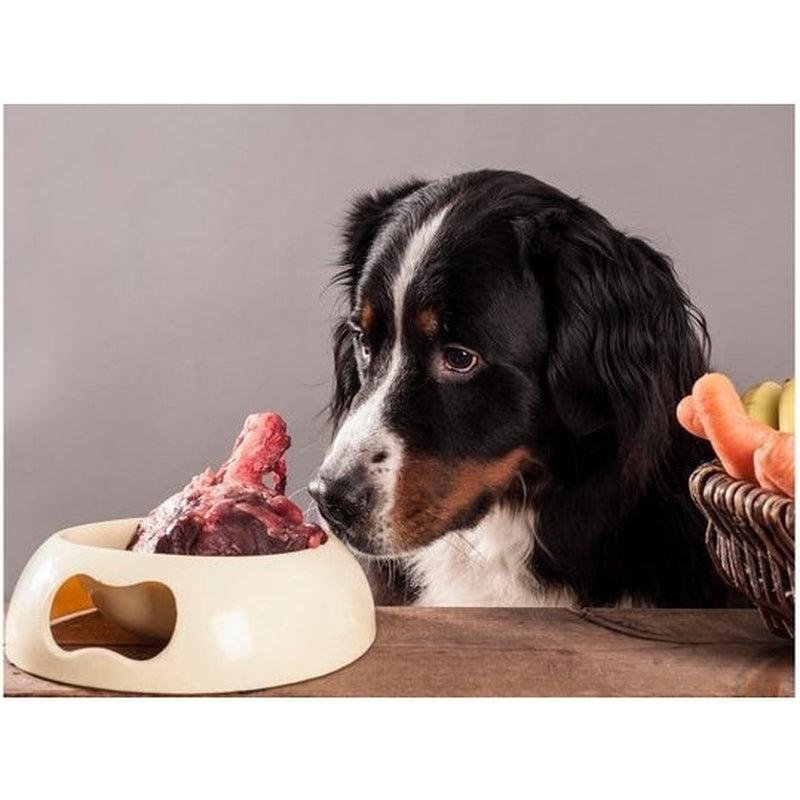
Organ Meat for Dogs: Why It’s the Most Nutrient-Dense Food You Can Give Your Dog
If you could only feed your dog one type of food for the rest of their life, standard muscle meat would keep them alive — but it wouldn’t keep them thriving. To get true, vibrant health, you need the “engine room” of the animal: organ meat.
In the world of canine nutrition, organ meat is often called nature’s multivitamin. It is densely packed with vitamins, minerals, and essential amino acids that muscle meat simply cannot match. Yet many Canadian dog owners avoid it due to unfamiliarity, or feed it incorrectly because they do not understand the nutritional math.
Here is the authoritative guide to the benefits of organ meat for dogs, what makes each type unique, and exactly how to feed it safely.
What Is Organ Meat and Why Do Dogs Need It?
The Difference Between Muscle Meat and Organ Meat
Muscle meat — the steaks, roasts, and ground beef that humans typically eat — is primarily composed of protein and fat, with a relatively low density of vitamins and minerals. It is great for structural support and energy, but it is nutritionally basic.
Organ meats are the internal organs and glands of an animal. Because these organs perform complex, high-energy biological functions — like filtering blood, producing hormones, and oxygenating the body — they require and store massive amounts of nutrients. When your dog consumes these organs, they inherit that concentrated nutritional payload.
Why Organ Meat Was Always Part of a Dog’s Natural Diet
Before kibble existed, dogs and their wild ancestors consumed whole prey. When a wolf takes down a rabbit, it does not surgically remove the muscle meat and leave the rest. It eats the liver, the heart, the lungs, and the kidneys first — often before touching the muscle meat.
This instinctual behavior is not an accident. Wild canines inherently seek out the nutrient-dense organs to fuel their own biological systems. Modern dogs may sleep on our couches, but their digestive systems and nutritional requirements are biologically identical. They still need organ meat to achieve optimal health.
Types of Organ Meat for Dogs
Not all organs are created equal. They each serve different nutritional purposes in a dog’s diet.
Liver: The Nutrient Powerhouse
Liver is the undisputed king of organ meats. Often referred to as a “superfood,” liver contains more nutrients gram-for-gram than almost any other food on earth.
Beef liver for dogs is the most common and widely recommended choice. It provides an unparalleled concentration of Vitamin A, all B vitamins (particularly B12), iron, copper, zinc, and folate. It supports eye health, immune function, red blood cell production, and cellular repair.
Because of its incredible nutrient density, liver must be fed in controlled amounts — but it is an essential component of a biologically appropriate diet. You can find this perfectly preserved in our Prairie Gold Freeze-Dried Liver.
Lung: High Protein, Low Fat
Beef lung is a unique organ meat that flies under the radar.
Nutritionally, it acts as a bridge between heavy organs and standard muscle meat. Lung is exceptionally high in bioavailable protein while being naturally very low in fat. It also contains essential minerals like iron and zinc, but without the extreme Vitamin A concentrations found in liver.
This macro-profile makes lung the absolute ideal treat for [training treats for dogs in Canada](https://tailwag Vitals.com/training-treats-for-dogs-canada/), allowing owners to reward high volumes of behavior without causing weight gain.
Heart, Kidney, and Beyond
While liver and lung are the stars, other organs offer specific benefits:
- Heart: Technically a muscle, but nutritionally classified as an organ. It is incredibly rich in taurine and CoQ10, both of which support cardiovascular function and cellular energy.
- Kidney: A strong source of B12, iron, and zinc. It provides unique peptides that support kidney function, though it should be fed in moderation due to its purine content.
- Green Tripe: The stomach lining of ruminant animals. It contains beneficial probiotics and digestive enzymes, making it exceptional for gut health. Note that it must be fed raw, not freeze-dried, to retain these living cultures.
Key Nutritional Benefits of Organ Meat for Dogs
Vitamins A, B12, D, E, and K
Organ meat provides a complete spectrum of fat-soluble and water-soluble vitamins:
- Vitamin A: Crucial for vision, immune function, skin health, and development. Liver is the single best source on the planet.
- Vitamin B12: Essential for nervous system function and the formation of red blood cells. Found heavily in liver, kidney, and heart.
- Vitamin D: Regulates calcium and phosphorus absorption for healthy bones and teeth.
- Vitamins E & K: Vital antioxidants and blood-clotting agents that work together with the healthy fats found in organ meats.
Iron, Copper, and Zinc
Organ meats are the most bioavailable sources of essential trace minerals:
- Iron: Prevents anemia and ensures oxygen is efficiently transported through the bloodstream.
- Copper: Works with iron to form red blood cells and helps maintain healthy connective tissue, joints, and coat color.
- Zinc: Critical for immune function, skin integrity, and wound healing. Zinc from animal organs is vastly more absorbable than zinc from plant sources.
Bioavailable Amino Acids for Muscle and Recovery
Protein quality is determined by its amino acid profile and how easily the body can break it down. The protein in organ meat is highly bioavailable to dogs. It contains all essential amino acids, making it the perfect building block for repairing muscle tissue in active and working dogs.
How Much Organ Meat Should You Feed Your Dog?
This is where education meets responsibility. Organ meat is incredibly healthy, but the rules of feeding it must be respected — particularly when it comes to the liver.
General Feeding Guidelines
In a standard raw or whole-food diet, organ meats typically make up about 10% to 15% of the total diet.
Within that percentage, the generally accepted guideline among veterinary nutritionists and raw feeding experts is:
- 5% Liver (due to its extreme Vitamin A content)
- 5% to 10% Other secreting organs (kidney, spleen, pancreas) or non-secreting organs (lung, heart).
If you are not feeding a fully raw diet, you can still incorporate organ meats as a daily nutritional topper or high-value treat. A few pieces of freeze-dried liver or air-dried beef lung provide a massive nutritional boost without needing to overhaul your dog’s entire feeding regimen.
Can You Feed Too Much Organ Meat?
Yes. This is a critical safety warning.
Because liver is so dense in Vitamin A, feeding too much can lead to a condition called Hypervitaminosis A (Vitamin A Toxicity). Unlike water-soluble vitamins (like Vitamin C), Vitamin A is fat-soluble. This means your dog’s body stores excess Vitamin A in the liver. Over time, this accumulation becomes toxic.
Symptoms of Vitamin A Toxicity in dogs include:
- Bone deformities and abnormal bone growth (especially in growing puppies)
- Joint stiffness and severe joint pain
- Lethargy and depression
- Gastrointestinal upset (vomiting, loss of appetite)
- Weight loss
- In severe cases, damage to the liver itself
How to prevent it: Never feed liver as a primary meal. Treat it as a supplement or a small percentage of the diet. If you are feeding a commercial kibble that is already fortified with Vitamin A, adjust your organ meat supplementation accordingly.
Note: If you suspect your dog has consumed a toxic amount of Vitamin A, or is showing symptoms of toxicity, contact your veterinarian or an emergency animal poison control center immediately.
How Tail Wag Vitals Sources Its Organ Meats
The quality of the organ meat is just as important as the organ itself. Toxins, heavy metals, and poor-quality feed given to commercial livestock are concentrated in the animal’s organs — meaning you absolutely want to know where your dog’s organs are coming from.
At Tail Wag Vitals, we do not buy commodity meat from unknown feedlots. Our organ meats are sourced directly from Hutterite farms in Wheatland County, Alberta.
Why does this matter?
- Traceability: We know exactly which farms raise our animals, what they are fed, and how they are handled.
- No Hormones or Unnecessary Antibiotics: Our sourcing partners raise livestock naturally, meaning those toxins are not passing through the liver and into your dog.
- Freshness: Because we source locally in Alberta, the organs are processed quickly, ensuring maximum nutrient retention before they are gently air-dried or freeze-dried.
When you give your dog Tail Wag Vitals organ meat treats, you are giving them the cleanest, most nutrient-dense organ meat available in Canada.
Frequently Asked Questions About Organ Meat for Dogs
Q: Is organ meat good for dogs every day? A: Yes, in the right amounts.
- Daily toppers: A small daily amount of lower-fat organ meat (like lung or heart) is highly beneficial.
- Liver in moderation: Liver should be given daily only in very small, calculated quantities due to Vitamin A.
Q: Should I cook organ meat before giving it to my dog? A: You can, but it is not necessary. Cooking actually reduces the nutritional value. Heat destroys some of the delicate B vitamins and vitamins A and E. This is why we use gentle air-drying and freeze-drying methods — it removes moisture and pathogens while preserving the raw nutritional integrity of the organ.
Q: My dog has diarrhea after eating organ meat. Why? A: Organ meat is incredibly rich. If a dog eats a large amount of organ meat after being on a strictly kibble diet, the sudden influx of high-fat, high-nutrient food can overwhelm the digestive tract, causing loose stools. Always introduce organ meats slowly, starting with tiny pieces.
Q: Can puppies eat organ meat? A:
- Yes, with strict caution regarding the liver. Puppies need the protein, iron, and minerals in organ meat for healthy growth.
- The liver warning: Puppies are highly susceptible to Vitamin A toxicity, which can cause irreversible bone deformities. Keep liver portions strictly minimal for puppies.
Q: Are your organ meat treats a complete meal replacement? A: No. Our Prairie Air Beef Lung and Prairie Gold Freeze-Dried Liver are designed as high-value treats and nutritional supplements. A dog’s diet requires a balanced ratio of muscle meat, bone, and organs to be complete.
Give Your Dog the Nutrition They Were Designed For
Muscle meat sustains. Organ meat thrives. By adding high-quality, ethically sourced organ meats to your dog’s routine, you are filling the nutritional gaps that standard diets leave wide open.
Skip the synthetic vitamin supplements. Give them nature’s multivitamin, sourced directly from the Alberta foothills.